Counsellors who work with immigration issues
579 counsellors list immigration issues on their profile. This list shows 576 of them; use the A to Z for everyone. A listing is not a recommendation; read each profile and check their professional body register.
Find counsellors and therapists who specialise in immigration issues, including asylum-related stress, family separation and resettlement adjustment. Browse the listings below to compare approaches, languages and registration.
-

Anaisa Khatri
NCPS. Stress, Anxiety, LGBT, Trauma and abuse
-

Rupinder England
BACP. Addictions, Relationship, Family
-

Sandra Silva Juhasz
BACP. Stress, Anxiety, Relationship, Family
-

Zeinab Gulzar
BACP. Stress, Anxiety, Grief, Self esteem
-

Georgios Nikolaou
BACP. Stress, Anxiety, Relationship, Family
-

Julia Woods
BACP. Stress, Anxiety, Trauma and abuse, Grief
-

Laura Spagnuolo
BACP. Stress, Anxiety, Relationship, Trauma and abuse
-

Fiona Hazelden
BACP. Stress, Anxiety, Trauma and abuse, Grief
-

Abigail Borquaye
BACP. Relationship, Family, Trauma and abuse
-

Wellington Cesar Assis Bueno
BACP. Stress, Anxiety, LGBT, Trauma and abuse
-

Anita Roy
NCPS. Stress, Anxiety, Relationship, Trauma and abuse
-

John Andrews
BACP. Stress, Anxiety, Addictions, Relationship
-

Krystyna Jankowska
BACP. Trauma and abuse, Grief, Anger
-
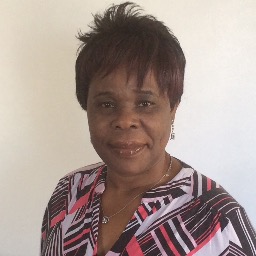
Susanna "Susan" Abraham
BACP. Stress, Anxiety, Addictions, Grief
-

Georgios Drakos
BACP. Relationship, Grief, Self esteem
-

Iwona Dreksler
BACP. Stress, Anxiety, Relationship, Family
-

Ayesha Mirza
NCPS. Stress, Anxiety, Relationship, Trauma and abuse
-

Oana Chiru
BACP. Stress, Anxiety, Relationship, Family
-

Leanne Bartrip
BACP. Stress, Anxiety, Trauma and abuse, Grief
-

Melisha Pillay
BACP. Stress, Anxiety, Relationship, Trauma and abuse
-

Joseph Mbaeru
BACP. Stress, Anxiety, Relationship, Trauma and abuse
-

Yau Tak "Marco" Lee
BACP. Stress, Anxiety, Trauma and abuse, Grief
-

Shelley Shoaib Le Breton
BACP. Stress, Anxiety, Relationship, Grief
-

Eva Chmelikova
NCPS. Stress, Anxiety, Relationship, Grief
-

Bridget Donkin
BACP. Stress, Anxiety, Relationship, Family
-

Ingried Upingasana
BACP. Stress, Anxiety, Relationship, Trauma and abuse
-

Leanne Walker
BACP. Stress, Anxiety, Self esteem, Depression
-

Gina Zyla
BACP. LGBT, Trauma and abuse, Grief
-

Sharon Noble-Layng
BACP. Stress, Anxiety, Trauma and abuse, Grief
-

John Darling
BACP. Stress, Anxiety, Relationship, Grief
-

Gifty Ogene
NCPS. Stress, Anxiety, Relationship, Family
-

Maija Vosloboinikova
BACP. Stress, Anxiety, Family, Grief
-

Dominic Lourie
BACP. Stress, Anxiety, Family, Trauma and abuse
-

Neera Chaudhary
BACP. Stress, Anxiety, Relationship, Trauma and abuse
-

Davinia Eccleston
BACP. Stress, Anxiety, Family, Trauma and abuse
-

Dr. Kalawatie Ramnath
BACP. Stress, Anxiety, Trauma and abuse, Career
-

Zivai Mutokonyi
BACP. Relationship, Family, Stress, Anxiety
-

Regina Sinkovicz
BACP. Stress, Anxiety, Addictions, Trauma and abuse
-

Hana Mandikova
BACP. Stress, Anxiety, LGBT, Trauma and abuse
-

Vince McCumisky
BACP. Stress, Anxiety, Trauma and abuse, Depression
-

Femi Carty
BACP. Relationship, Grief, Parenting
-

Wendy Joseph
BACP. Stress, Anxiety, Trauma and abuse, Self esteem
-

Colin Frawley
BACP, NCPS. Stress, Anxiety, Addictions, Grief
-

Dr. Pannavat Veeraburinon
HCPC. Stress, Anxiety, Relationship, Trauma and abuse
-

Chheayudh Chhon
BACP. Stress, Anxiety, Trauma and abuse, Grief
-

Dorothi Oviosu
BACP. Stress, Anxiety, Relationship, Family
-

Kadija Taha
BACP. LGBT, Relationship, Trauma and abuse
-

Dr. Liam Reilly
HCPC. Stress, Anxiety, Trauma and abuse, Grief
Understanding immigration issues and how they commonly affect people
Immigration issues cover a wide range of experiences tied to moving across borders, applying for visas or asylum, and settling in a new country. You may be dealing with the aftermath of a dangerous journey, the stress of uncertain legal status, separation from family, or the everyday pressures of re-establishing work, education and social connections. For many people these challenges overlap with cultural adjustment, language barriers, financial strain and encounters with discrimination. The cumulative effect can alter sleep, appetite, concentration and your sense of belonging, and it can influence relationships with partners, children and wider family networks.
In the UK context, immigration-related distress can also involve navigating complex government systems, attending interviews with immigration officials, and managing fears about removal or family reunification. You might find that past experiences - including persecution, detention or trauma in your country of origin - continue to shape how you respond to new stresses. Therapy can offer a place to make sense of these experiences, process emotions connected to loss and identity, and develop practical strategies for everyday life in a new environment.
Recognising signs that you might benefit from therapy for immigration issues
If you are noticing persistent anxiety, intrusive memories, panic, low mood or difficulties in daily functioning following migration or a change in immigration status, these can be signs that talking with a counsellor or therapist could help. You may be struggling with sleeplessness, heightened startle responses, avoidance of reminders of past events, or a feeling of numbness. Relationship difficulties are common when one partner adapts at a different pace from another, or when children and adults experience culture shifts differently. You might also find it hard to trust officials, to engage with services, or to feel confident in decision-making about work, housing or legal matters.
Other indicators include somatic symptoms such as unexplained aches, ongoing headaches or stomach problems, as well as trouble concentrating at work or study. If you are using alcohol or other substances more frequently to manage distress, or if you feel overwhelmed by grief for a life you left behind, reaching out to a therapist who understands migration-related issues can give you space to explore coping options and practical steps forward.
What to expect in therapy sessions focused on immigration issues
When you begin therapy for immigration-related concerns, the first sessions are usually about building rapport and understanding your personal story. A therapist will typically ask about your background, current practical pressures and what you hope to achieve through counselling. Sessions often combine emotional processing with practical problem-solving, so you can address immediate everyday needs such as sleep, stress management and communication with services, alongside deeper exploration of trauma, loss and identity.
Therapy can involve discussing difficult memories at a pace that feels manageable for you. You can expect the therapist to work collaboratively, tailoring the pace and focus to your preferences. Cultural sensitivity and awareness of legal and social systems are often part of the conversation. Some people use sessions to prepare for legal interviews, to process the psychological impact of a decision, or to work on rebuilding relationships in a new environment. Others focus on longer-term themes such as identity, belonging and career planning. You should expect a clear explanation of how sessions are structured, typical session length, and the therapist's approach to working with interpreters if you need language support.
Common therapeutic approaches used for immigration issues
Therapists who list different approaches on their profiles may use a combination of methods to meet your needs. Psychodynamic and person-centred approaches can provide space to explore identity, attachment and loss. Cognitive-behavioural methods often focus on current thinking patterns and practical skills for managing anxiety, avoidance and sleep difficulties. Narrative approaches can help you reframe your life story in a way that acknowledges both hardship and resilience. Therapists who list trauma-focused methods among their approaches may offer ways to work with intrusive memories and hypervigilance, though the presence of an approach on a profile is not evidence of a particular qualification in that method.
Cultural formulation and culturally adapted therapies aim to place your experiences in the context of your cultural background, values and beliefs. If you use faith or community supports, therapy can include discussion of how those resources fit into your wellbeing. Therapists in the UK may be registered with bodies such as the BACP or HCPC or be members of professional directories; registration indicates a recognised professional pathway, ethical standards and ongoing professional development. If you need an interpreter, some therapists will outline how they work with interpreters on their profiles, and you can discuss how this would be managed before sessions begin.
How online therapy works for immigration issues and practical tips for choosing a therapist
Online therapy has become a common way to access support, and it can be especially helpful if you are balancing work, legal appointments and family commitments. When you choose online sessions, you will typically meet by video call or phone. Video allows for visual cues and a more conversational rhythm, while phone sessions may feel less formal for some people. You can expect to agree in advance on session length, frequency and fees. Some therapists describe their approach to emergency situations on their profiles; you should clarify how they suggest you proceed if you feel in crisis between sessions.
When choosing a therapist for immigration issues, look at the elements that matter most to you. Check whether the therapist is registered with an appropriate UK body such as the BACP, HCPC or NCPS, and read how they describe their experience working with people from diverse backgrounds. Notice the languages they speak and whether they have experience supporting people with asylum, family reunification or resettlement. Consider practical questions like session length, fee structure and whether they outline how they support people who require interpretation. It is reasonable to enquire about their approach to cultural sensitivity, how they work with trauma if relevant, and what kinds of goals they typically help people to set.
Trust your sense of comfort when you read profiles. You may prefer someone who clearly describes their work with migrants and refugees, or you may value a therapist who highlights a general approach to trauma and adjustment. It is also helpful to consider whether you want an online-only arrangement or the option of in-person appointments in a local setting. Asking for an initial conversation to get a sense of rapport is a common step, and many people find that a brief introductory call helps them decide if a particular counsellor or therapist feels like a good fit.